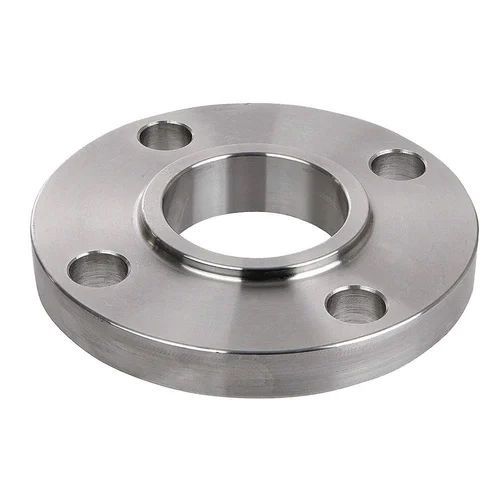
About Stainless Steel Orifice Flange
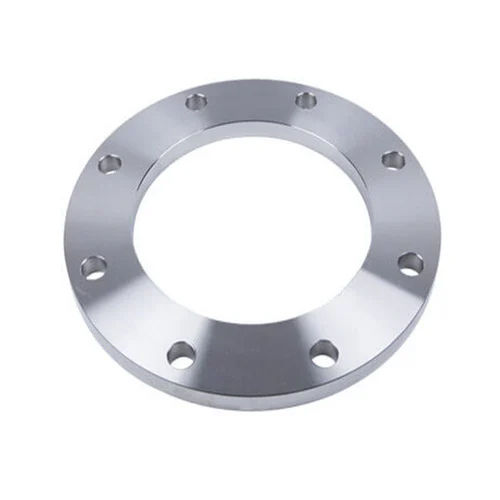
These stainless steel flanges are fillet welded to a position and are ideal for low-pressure applications. Blind Flanges: The flanges are designed without a bore, and are used to seal vessel openings or piping systems. These flanges are ideal for piping systems or vessels that require regular inspection.
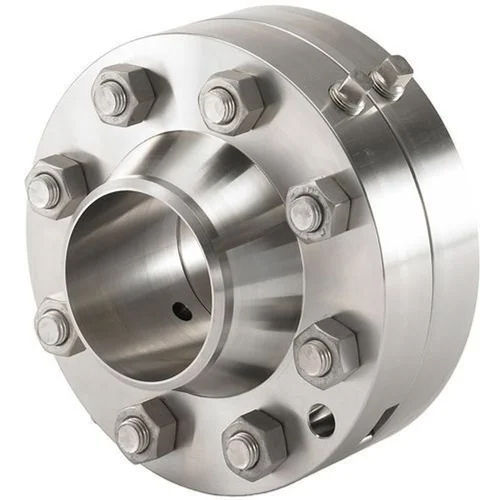
High-Performance Flow Measurement SolutionsUtilizing advanced forging and machining techniques, these stainless steel orifice flanges deliver dependable flow measurement for critical process control. Their compatibility with all standard orifice plates and conforming to ANSI/ASME standards makes them a versatile choice for professionals seeking long-lasting solutions.
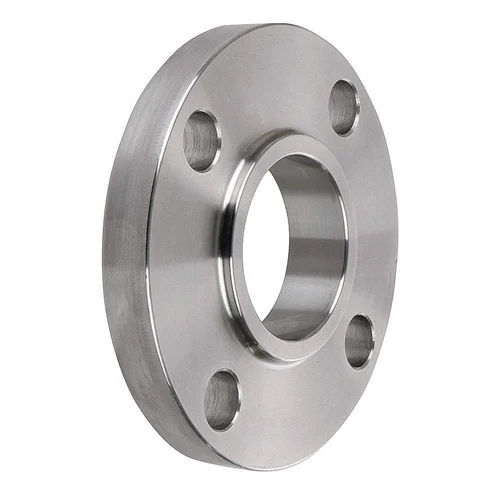
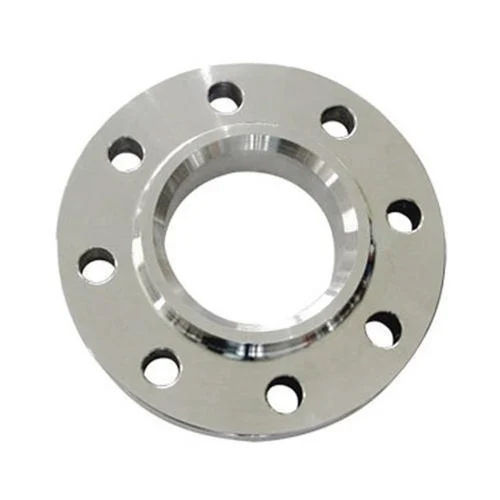
Customizable Design Meets Industry NeedsOffered in standard round shapes with options for weld neck, slip-on, or threaded connections, these flanges can be tailored in dimensions and grades according to project requirements. The varied finish types and surface polishing enhance both aesthetic appeal and functionality in demanding environments.
FAQ's of Stainless Steel Orifice Flange:
Q: How can stainless steel orifice flanges be used in flow measurement systems?
A: Stainless steel orifice flanges are installed in pipelines to measure the flow rate of liquids, gases, or steam. They work by introducing a restriction (via the orifice plate slot) and measuring the pressure drop across the plate, allowing for precise calculation of the fluid's flow rate.
Q: What are the benefits of specifying Satin or Mirror finishes and polished surfaces for orifice flanges?
A: Choosing Satin or Mirror finishes and polished surfaces enhances corrosion resistance, makes cleaning easier, and provides a refined appearance, which is beneficial for environments where hygiene and aesthetic quality are important.
Q: When should I select a Raised Face (RF) versus a Ring Type Joint (RTJ) facing for my application?
A: A Raised Face (RF) is typically chosen for general industrial applications requiring effective, easy-to-maintain sealing, while a Ring Type Joint (RTJ) is suited for high-pressure and high-temperature systems, providing a metal-to-metal seal for superior leak resistance.
Q: What is the typical process for manufacturing stainless steel orifice flanges?
A: The manufacturing process involves forging high-quality stainless steel, followed by precision machining to create the desired slot for the orifice plate, bolt holes, and finish. Each flange is inspected for compliance with ASME/ANSI B16.36 standards and tailored to customer dimensions if required.
Q: Where are these flanges commonly applied in industry?
A: These flanges are widely used in oil & gas, chemical processing, water treatment, and any fluid transport system that requires accurate flow measurement within pipelines.
Q: How do I determine the appropriate pressure class and grade for my system?
A: Pressure class (150# to 2500#) and stainless steel grade (304, 316, etc.) selection depends on the pipeline's operating pressure, temperature, and fluid nature. Consultation with technical experts or referencing system design codes will ensure optimal safety and compatibility.




 Send Inquiry


 Send Inquiry