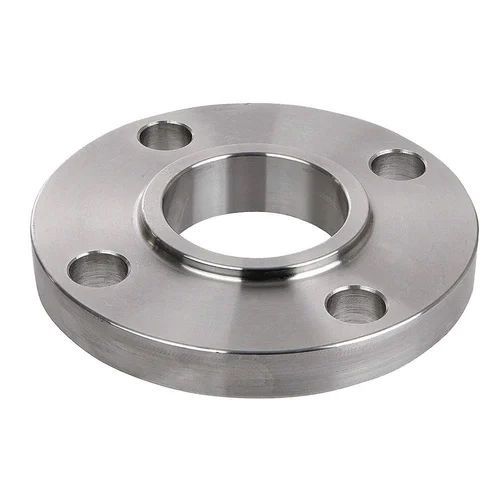
About Stainless Steel 321H Flanges
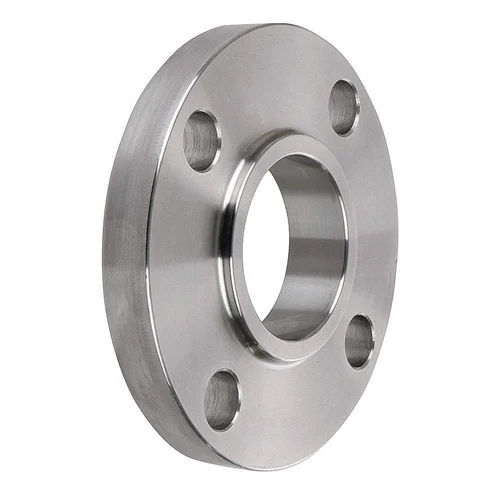
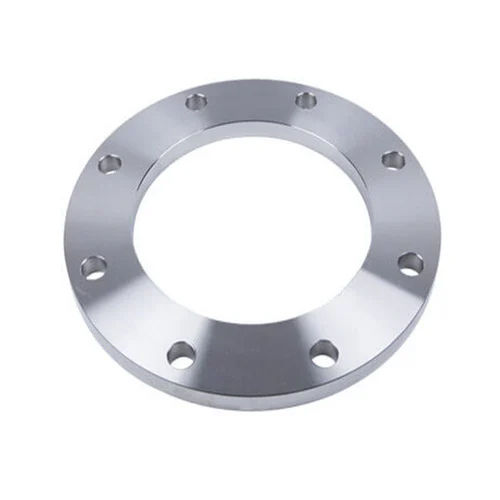
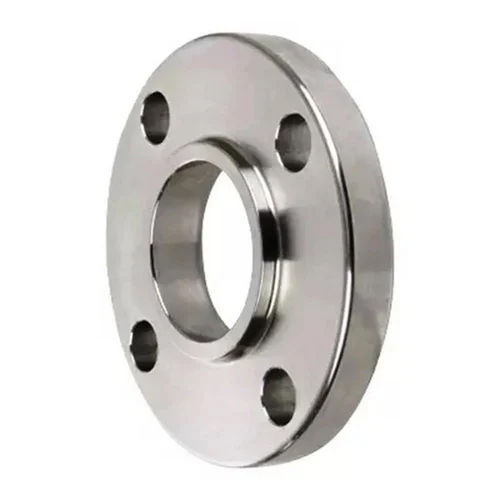
These stainless steel flanges are fillet welded to a position and are ideal for low-pressure applications. Blind Flanges: The flanges are designed without a bore, and are used to seal vessel openings or piping systems. These flanges are ideal for piping systems or vessels that require regular inspection.
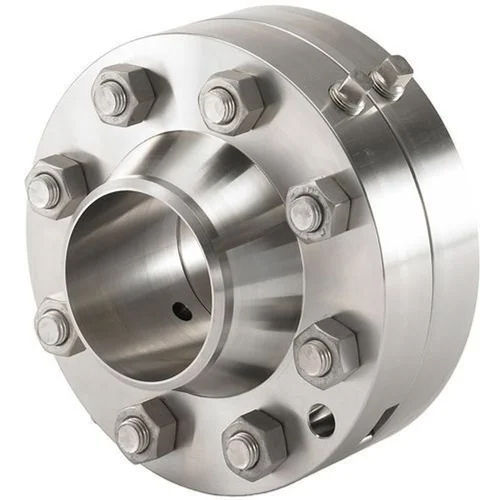
Versatile End Types and Connection MethodsStainless Steel 321H flanges are available in a variety of end types such as Raised Face, Flat Face, and Ring Type Joint, catering to diverse industrial requirements. The connection methods-including Slip On, Weld Neck, Blind, Socket Weld, Threaded, and Lap Joint-offer flexibility for integration into various piping systems, whether welded or bolted, ensuring a secure and customized fit for every application.
Superior Mechanical and Physical PropertiesWith a high tensile strength of 515 MPa, yield strength of 205 MPa, and a minimum elongation of 40%, 321H flanges offer durability and resistance to deformation. Operating efficiently at temperatures up to 870C (1600F), their density of 7.9 g/cm3 and Rockwell hardness of 160 HB support demanding environments where robustness is essential, such as in oil & gas and power generation sectors.
Reliable Protection and Quality AssuranceEach Stainless Steel 321H flange is finished with an anti-rust protective coating and is carefully packaged using wooden boxes, bubble wrap, and pallets. The flanges are precisely stamped with grade, size, and manufacturer information, meeting standards like ASME, ASTM, ANSI, DIN, JIS, BS, and EN. This attention to detail ensures authenticity, traceability, and optimal product performance from manufacturer to end user.
FAQ's of Stainless Steel 321H Flanges:
Q: How do Stainless Steel 321H flanges withstand high temperatures and corrosive environments?
A: These flanges are manufactured from Grade 321H stainless steel, known for its excellent resistance to oxidation and corrosion at temperatures up to 870C (1600F). Their anti-rust coating further enhances their durability in harsh conditions.
Q: What types of end connections and face types are available for 321H flanges?
A: 321H flanges are provided in end types such as Raised Face (RF), Flat Face (FF), and Ring Type Joint (RTJ). Connection options include Slip On, Weld Neck, Socket Weld, Threaded, Lap Joint, and Blind types, accommodating a wide variety of system integration needs.
Q: When should I choose a Ring Type Joint (RTJ) over a Raised Face (RF) flange?
A: Ring Type Joint (RTJ) flanges are preferred in high-pressure and high-temperature applications where superior sealing is required, while Raised Face (RF) flanges are commonly used for general-purpose piping where a flat, smooth sealing surface suffices.
Q: Where are Stainless Steel 321H flanges commonly used?
A: These flanges are widely employed in petrochemical, oil & gas, power generation, marine, pharmaceutical, and chemical processing industries due to their high temperature resistance, strength, and corrosion resistance.
Q: What standards do 321H flanges comply with, and how are they marked?
A: 321H flanges conform to international standards such as ASME, ASTM, ANSI, DIN, JIS, BS, and EN. Each flange is clearly marked with grade, size, and manufacturer details for traceability and compliance.
Q: What is involved in the manufacturing and quality control process for these flanges?
A: Flanges are forged or CNC machined from high-purity stainless steel, then finished with a polished, smooth surface. They undergo strict quality checks and marking, and are packaged securely to prevent damage during transit.
Q: What are the benefits of choosing Stainless Steel 321H flanges?
A: Benefits include high temperature and corrosion resistance, superior mechanical strength, adherence to rigorous standards, and availability in multiple configurations and pressure ratings-offering reliable performance and long service life in demanding applications.




 Send Inquiry


 Send Inquiry