About PIPE FLANGE
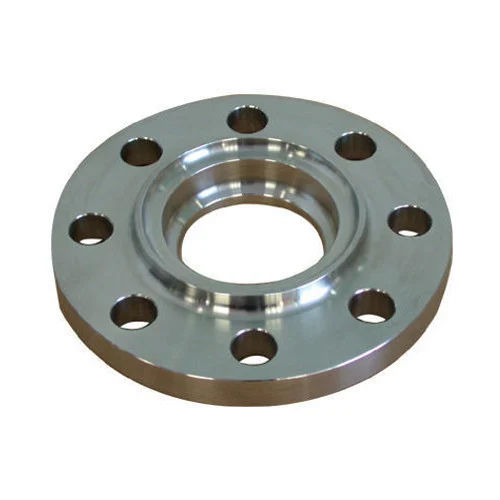
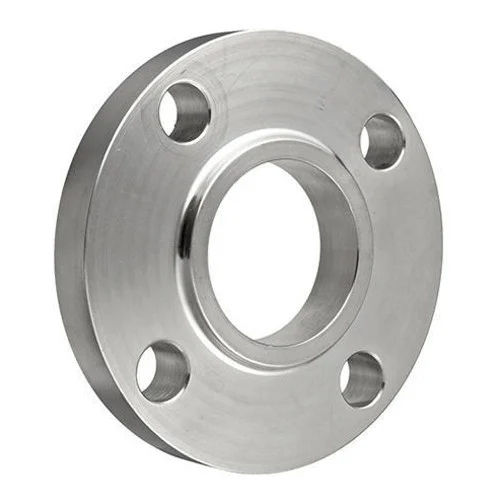
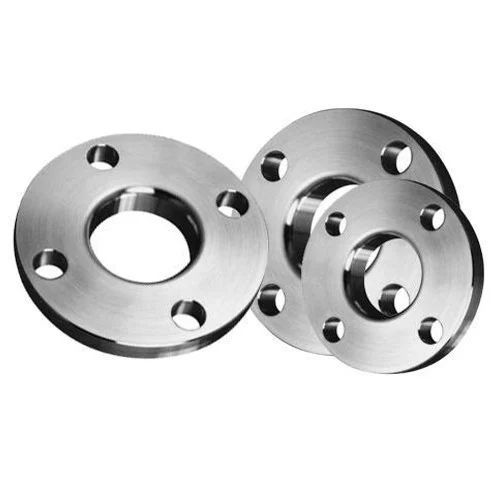
These stainless steel flanges are fillet welded to a position and are ideal for low-pressure applications. Blind Flanges: The flanges are designed without a bore, and are used to seal vessel openings or piping systems. These flanges are ideal for piping systems or vessels that require regular inspection.
Versatile Flange Face TypesChoose from Raised Face (RF), Flat Face (FF), or Ring Type Joint (RTJ) flange faces to suit specific connection requirements in pipeline systems. These face types optimize sealing, ensure safety, and accommodate diverse industrial needs, supporting both high-pressure and temperature conditions.
Superior Material and Surface FinishCrafted from premium stainless steel grades such as SS304, SS316, SS316L, SS321, and SS347, these flanges offer remarkable corrosion resistance and mechanical strength. Available in mirror, matte, and sandblasted finishes, the polished surfaces ensure durability and a visually appealing installation.
Flexible Packaging and Custom DimensionsFlanges are carefully packed in wooden cases or pallets to prevent damage during transit. They can be manufactured to standard dimensions or customized as per client specifications, making them suitable for a wide range of industrial applications across India and beyond.
FAQ's of PIPE FLANGE:
Q: How are pipe flanges with different face types selected for industrial applications?
A: Face type selection, such as Raised Face (RF), Flat Face (FF), or Ring Type Joint (RTJ), depends on the application's pressure, temperature, and sealing requirements. RF is common for tight seals, FF for low-pressure systems, and RTJ for high-pressure, high-temperature setups.
Q: What is the process of manufacturing stainless steel pipe flanges?
A: These flanges are manufactured using the forging technique, which enhances strength and durability. Post forging, the flanges undergo surface finishing-mirror, matte, or sandblasted-for improved performance and corrosion resistance, followed by precise machining to meet standard and custom specifications.
Q: When should I choose flanges with beveled or plain ends?
A: Beveled ends are ideal for welding applications, providing a secure connection, while plain ends suit systems using bolts or screws. The choice depends on installation requirements, the type of piping, and the desired mechanical strength of the joint.
Q: Where are these stainless steel flanges most commonly used?
A: Stainless steel flanges are predominantly used in pipeline systems across oil & gas, chemical processing plants, water treatment facilities, and power generation plants due to their corrosion resistance and high strength.
Q: What benefits do these pipe flanges offer in corrosive environments?
A: Made from high-grade stainless steel and featuring corrosion-resistant finishes, these flanges ensure long service life, reliable operation, and reduced maintenance in environments exposed to moisture, chemicals, or high temperatures.
Q: How does the packaging of pipe flanges ensure product safety?
A: Flanges are packed in sturdy wooden cases or pallets to safeguard against shocks, moisture, and mechanical damage during transportation, ensuring they arrive in optimal condition for installation and use.






 Send Inquiry


 Send Inquiry