About Alloy Flanges
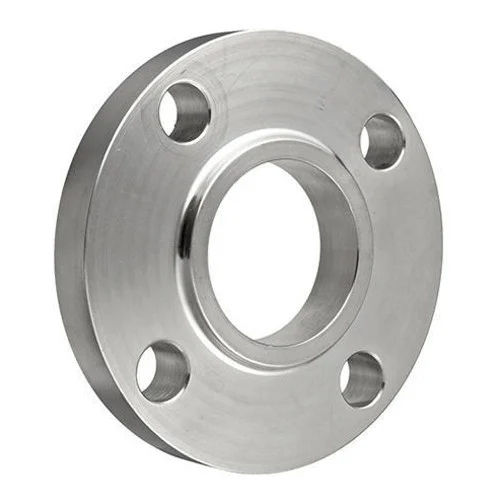
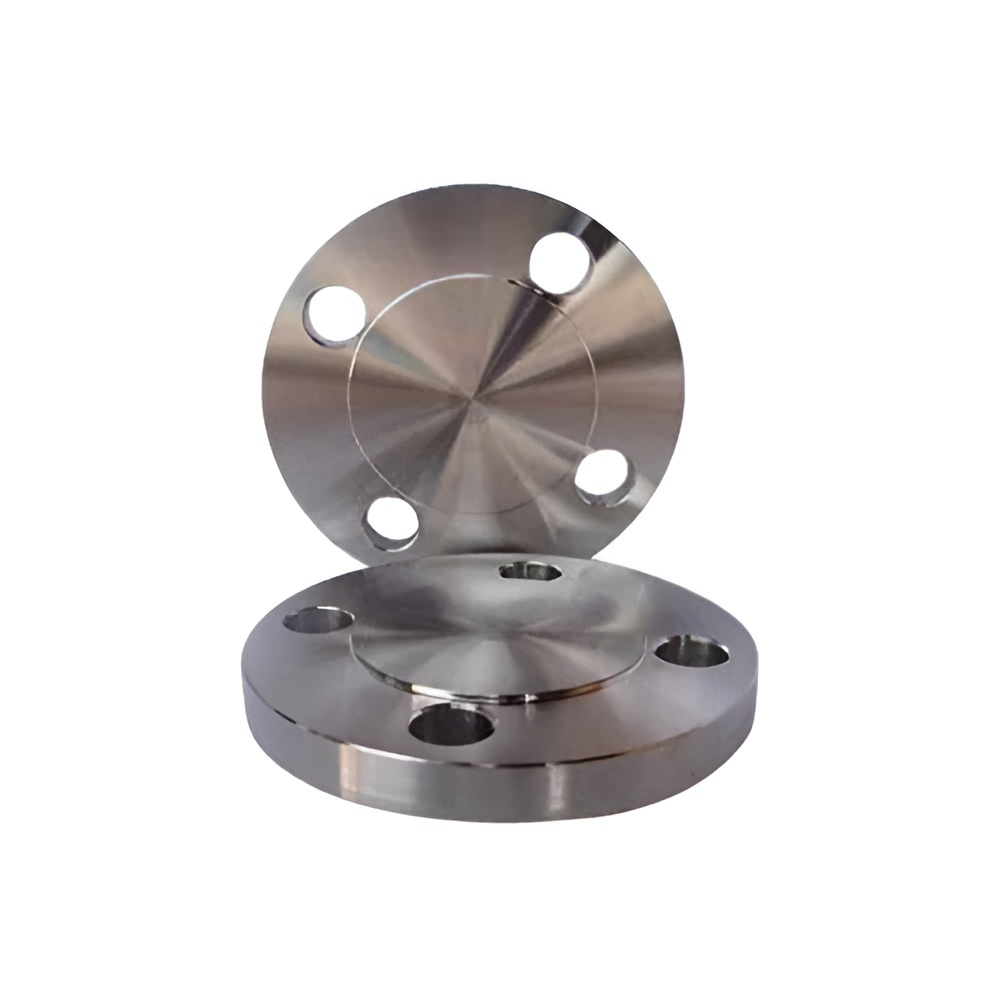
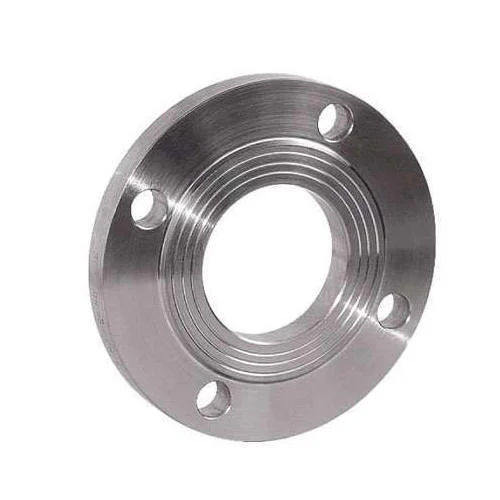
These stainless steel flanges are fillet welded to a position and are ideal for low-pressure applications. Blind Flanges: The flanges are designed without a bore, and are used to seal vessel openings or piping systems. These flanges are ideal for piping systems or vessels that require regular inspection.
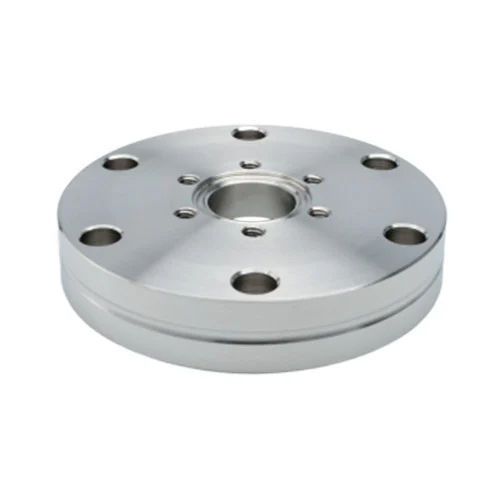
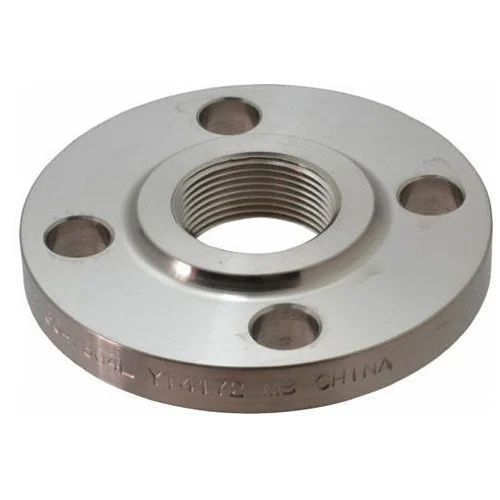
Versatile Flange Types for Every NeedOur alloy flanges are available in multiple configurations including Weld Neck, Slip On, Blind, Socket Weld, and more. This versatility allows seamless integration into diverse piping systems, enhancing safety and efficiency in complex setups. Each flange type is designed to meet specific industry standards and operational requirements.
Robust Construction and Precise EngineeringMade from high-purity alloy steels such as ASTM A182 F11/F22, F304/F316, and specialized grades like Incoloy and Hastelloy, these flanges boast superior strength, machinability, and corrosion resistance. Advanced forging and casting techniques ensure that each component meets exacting tolerances and provides reliable, long-term service.
Reliable Performance in Extreme ConditionsThese flanges are engineered to withstand a broad temperature spectrum, from -46C up to +600C, depending on the material. Their rust-resistant, polished surfaces and robust mechanical properties make them suitable for high-pressure applications up to 2500#, providing safe, leak-free performance in challenging environments.
FAQ's of Alloy Flanges:
Q: How are alloy flanges used in industrial applications?
A: Alloy flanges connect pipes, valves, pumps, and other equipment, ensuring secure, leak-tight joints in piping systems. Their robust construction and resistance to heat and corrosion make them valuable for high-pressure and high-temperature environments common in oil & gas, petrochemical, chemical, and power plants.
Q: What is the process for manufacturing alloy flanges?
A: Alloy flanges are generally produced using forging or casting techniques, followed by precise machining and polishing. Each piece undergoes strict quality checks to achieve the required thickness, tolerance (0.5 mm), and hardness as per alloy grade specifications. This process assures durability and a smooth, rust-resistant surface finish.
Q: When should I choose Weld Neck over other flange types?
A: Weld Neck flanges are preferred for critical applications involving high pressure and temperature. Their long tapered hub provides excellent stress distribution at the weld area, reducing the risk of fatigue failure. Choose Weld Neck flanges when superior strength and leak-proof performance are needed.
Q: What are the benefits of using high-purity alloy steel flanges?
A: High-purity alloy steel flanges offer enhanced corrosion resistance, mechanical strength, and durability compared to standard materials. This results in longer service life, reduced maintenance requirements, and improved reliability of the entire piping system in demanding operational settings.
Q: Where can these alloy flanges be applied?
A: These flanges are ideal for use in industries such as oil & gas, petrochemicals, marine, chemical processing, and power generation. Their adaptability to multiple standards (ASME, DIN, EN, etc.) and customizable dimensions make them suitable for both domestic and export projects.
Q: What packaging is used to ensure safe delivery of alloy flanges?
A: Alloy flanges are packaged in standard export packing, including wooden cases or pallets, to protect against mechanical damage, moisture, and corrosion during transit. This ensures that each flange arrives in impeccable condition, ready for installation.




 Send Inquiry


 Send Inquiry