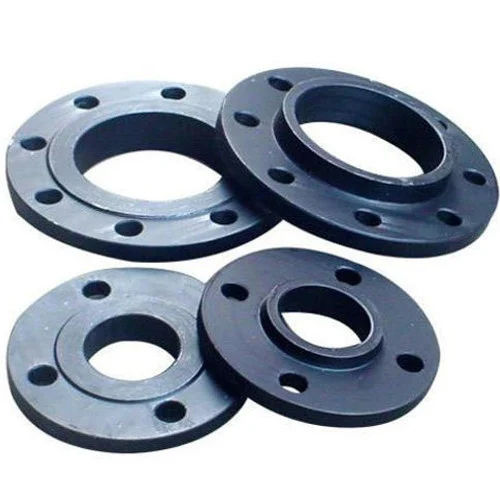
About Carbon Steel Flanges
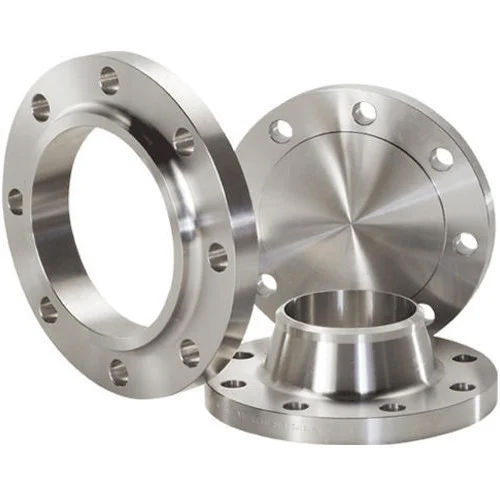
These stainless steel flanges are fillet welded to a position and are ideal for low-pressure applications. Blind Flanges: The flanges are designed without a bore, and are used to seal vessel openings or piping systems. These flanges are ideal for piping systems or vessels that require regular inspection.
Precision Manufacturing & Quality AssuranceEach carbon steel flange is produced using advanced forging and casting processes, meticulously conforming to international standards and specifications. Rigorous quality checks, including ISO 9001:2015 and PED compliance, guarantee high purity, mechanical performance, and dimensional accuracy for every unit supplied.
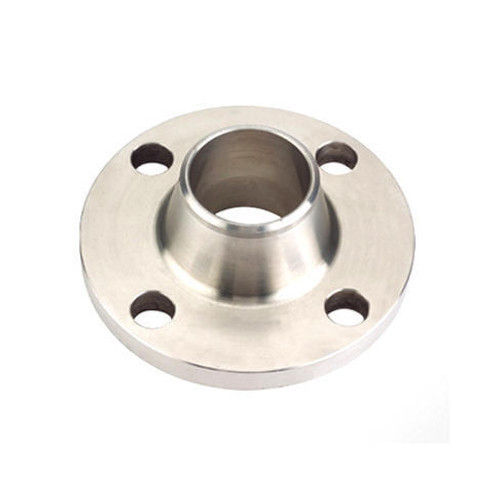
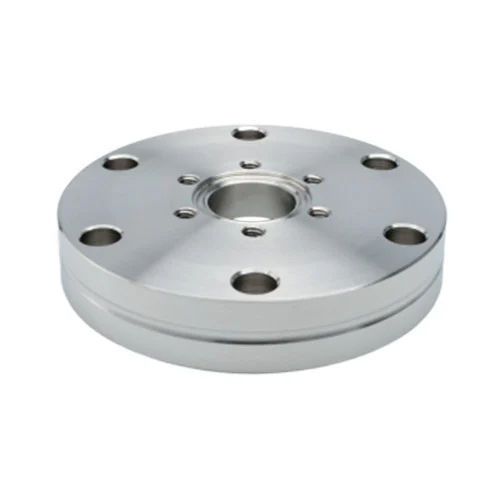
Versatile Connection & Custom SpecificationOur flanges are available in various shapes and ends-welded, socket weld, slip-on, blind, lap joint, and threaded-ensuring seamless fitment across diverse pipeline requirements. Dimensions can be tailored per project needs, accommodating both standard and custom specifications for optimal utility.
Durability & Protective CoatingSurface protection options such as coating, painting, and rustproof oil ensure reliable performance in harsh environments. Flanges withstand temperature ranges from -46C to 600C and come with anti-corrosive coatings for extended service life, resilience, and low maintenance.
FAQ's of Carbon Steel Flanges:
Q: How are carbon steel flanges with different face types selected for industrial applications?
A: Face types such as Raised Face (RF), Flat Face (FF), and Ring Type Joint (RTJ) are selected based on pressure, leakage prevention needs, and the nature of fluids in the system. RF and RTJ are preferred for higher pressure and temperature, while FF is ideal for systems where perfect alignment is necessary.
Q: What standards and certifications do your carbon steel flanges follow?
A: Our flanges comply with ISO 9001:2015 and PED standards and adhere to global specifications such as ANSI, DIN, JIS, BS, and ASTM. This ensures compatibility and safety in international applications, meeting stringent quality and regulatory requirements.
Q: When is heat treatment such as Normalized or Quenched & Tempered applied to these flanges?
A: Heat treatments like Normalizing and Quenching & Tempering are implemented during manufacturing to enhance mechanical properties, such as toughness and ductility. These processes optimize the flange's strength and performance for demanding operational conditions.
Q: Where are carbon steel flanges typically used?
A: These flanges are widely used in oil & gas, petrochemical, power generation, water supply, and construction sectors. Their robust features and compliance with multiple standards make them suitable for critical pipeline connections in harsh or high-pressure environments.
Q: What is the process for rust protection in these flanges?
A: Rust protection is achieved through anti-corrosive coatings, painting, or application of rustproof oil. This process preserves the steel's integrity and extends service life, particularly in corrosive environments.
Q: How should carbon steel flanges be packaged and transported?
A: Flanges are securely packaged in palletized or wooden cases to prevent damage during transit. This method ensures safe delivery to project sites, preserving surface integrity and dimensional accuracy.
Q: What are the primary benefits of using carbon steel flanges in pipelines?
A: The flanges provide high tensile and yield strength, excellent corrosion resistance, leak-proof connections, versatility in joining options, and compliance with international standards-offering reliable, durable, and long-lasting pipeline solutions.





 Send Inquiry


 Send Inquiry