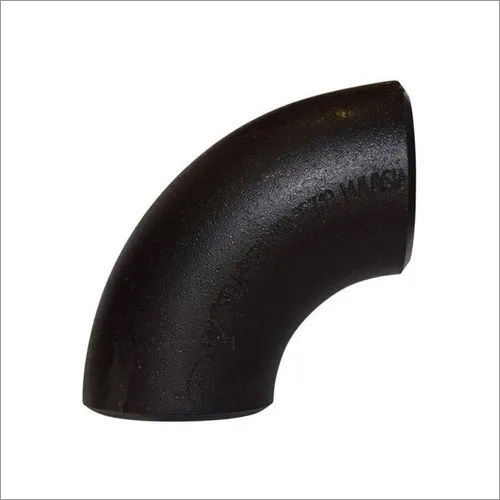
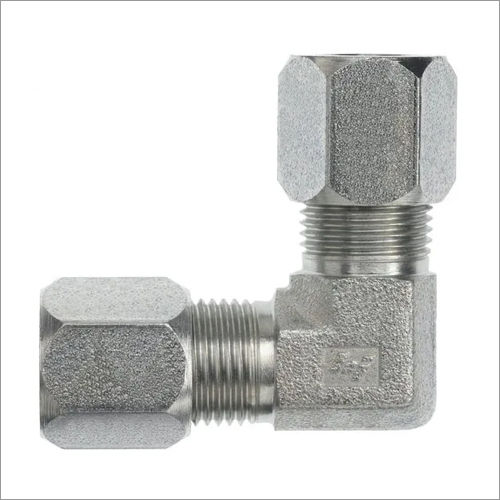
About Carbon Steel Buttweld Elbow
The elbows are one of the commonly used fittings. The carbon steels are used for their high toughness and high wear resistance. The Schedule 10 carbon steel buttweld fittings are some of the low schedule fittings. The schedules can range from 5 to 160 and XXS
Carbon Steel Seamless Fittings Specification List
Engineered for Tough ConditionsBuilt to withstand high mechanical stress and temperature variations, this carbon steel buttweld elbow is ideal for industrial applications, including pipelines in oil, gas, and chemical sectors. The robust WPB grade ensures reliability even under severe operating conditions and high pressure environments.
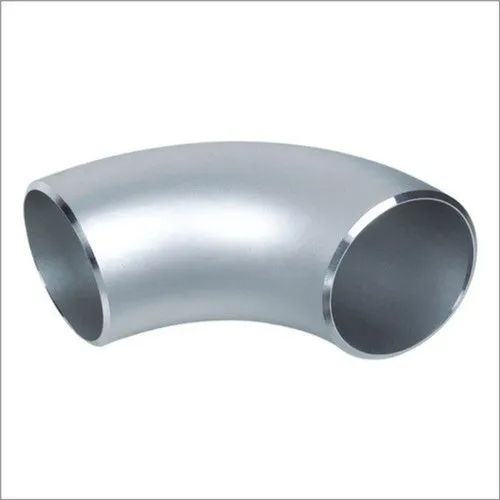
Versatile Connection OptionsAvailable with beveled ends and buttweld technics, this elbow fits seamlessly into various pipeline systems. Its compatibility with both long radius and short radius designs provides flexibility for installation, while the surface treatment offers additional protection against corrosion.
FAQ's of Carbon Steel Buttweld Elbow:
Q: How is the Carbon Steel Buttweld Elbow installed in pipeline systems?
A: The Carbon Steel Buttweld Elbow is installed using buttwelding techniques, where its beveled ends are welded onto adjoining pipes. This process ensures a strong, leak-proof connection suitable for high-pressure applications.
Q: What is the benefit of choosing ASTM A234 / ANSI B16.9 standard elbows?
A: ASTM A234 / ANSI B16.9 elbows comply with globally recognized standards, guaranteeing consistent material quality, proper fitment, and reliable performance in industrial piping systems.
Q: Where can these elbows be used effectively?
A: They are optimal for use in oil and gas pipelines, chemical processing plants, and other industrial settings that require robust, high-pressure pipe connections capable of withstanding varying temperatures.
Q: What is the recommended operating temperature range for these elbows?
A: The elbow is designed to operate efficiently within temperatures ranging from -20C to 425C, making it suitable for both low and moderately high temperature fluid transport.
Q: What surface treatments are available for this elbow?
A: Surface treatments include black painting and anti-rust oil application, which help protect the elbow from corrosion and wear caused by harsh operational environments.
Q: When should you use SCH40 or SCH80 wall thickness for elbows?
A: SCH40 elbows are generally used for standard pressure systems, while SCH80 elbows are preferred in high-pressure environments, offering greater wall thickness and durability.
Q: What advantages does a long radius elbow provide over a short radius type?
A: Long radius elbows provide smoother directional changes with less pressure drop and turbulence, making them preferable in larger or high flow systems. Short radius elbows are suitable for compact spaces where space constraints are a concern.




 Send Inquiry


 Send Inquiry